 Cultivate
"Calloused hands learning to coax life from stubborn soil."
Cultivate is a working farm classroom in the Northeast — sixteen seats around one table, one instructor with dirt under their nails, and no PowerPoints. Every workshop runs once per season. When they fill, they fill.
The soil wakes up before you're ready.
Spring workshops run March through May. Start with the science beneath your feet before a single seed goes in.
Field note, March 8: The forsythia is two weeks early this year. The soil thermometer reads 42°F at 4 inches — cold enough to wait, warm enough to plan.
Soil Biology & Compost Chemistry
Learn to read a soil test, understand the nitrogen cycle, and build a compost system that feeds your beds — not the weeds. Hands in the pile from hour one.
Seed Starting & Propagation Lab
From stratification to hardening-off: master the critical first 8 weeks of a plant's life. You'll start 6 varieties and leave with a propagation calendar.
Heritage Apple Grafting
Cleft graft, whip-and-tongue, chip bud — three techniques in one session. We'll work on 12 heritage varieties documented in the USDA germplasm collection.
When everything grows, problems grow with it.
Summer workshops run June through August. The hard skills — pest management, water systems, preservation — learned in the heat when they matter most.
Field note, July 14: Aphid pressure on the brassicas at 3× threshold. Beneficial banker plants are three weeks behind where they should be. This is what we practice for.
Integrated Pest Management Field Day
Walk the beds with a hand lens. Learn to distinguish beneficial from pest, threshold from panic, and chemical from cultural controls. No spray calendar required.
Drip Irrigation Design & Installation
Size emitters, calculate flow rates, and lay out a drip system for a half-acre market garden. You'll design your own plot and leave with the bill of materials.
Fermentation & Lacto-Preservation
Kimchi, kvass, tepache, and sauerkraut — four ferments in one kitchen session. Understand the microbiology, not just the recipe. Leave with four jars and the science.
Get the Full Growing Year
Sixteen workshops across all four seasons. One table, sixteen hands, one full year of learning. The farm doesn't wait — neither should you.
Save $520 · 16 workshops · All seasons included
Transferable seat. Payment plans available.
Secure checkout · Instant confirmation
The harvest is only half the work.
Autumn workshops run September through November. What you do now determines what January looks like. Cover crops, cold storage, and the science of keeping things alive.
Field note, October 2: First frost advisory for the weekend. The storage onions came in at 94% cull-free — best since 2021. The cover crop mix goes in tomorrow.
Cover Cropping & Soil Restoration
What to plant when the season ends and why it matters more than what you planted all summer. Seed selection, termination timing, and spring incorporation.
Root Cellar & Cold Storage Systems
Temperature, humidity, ethylene gas, and airflow — the four variables between January carrots and January mush. Build a storage plan for your specific crops.
Water Bath & Pressure Canning
pH, Brix, processing times, and the actual science of shelf stability. Not a recipe class — a preservation science class that happens to produce 12 jars by day's end.
The planning season is the growing season.
Winter workshops run January through February. The farm is quiet. The spreadsheets aren't. Build the business that makes the farming sustainable.
Field note, January 19: Seed order submitted. Three new varieties on trial. The grant application for high tunnel infrastructure is due February 28 — we wrote it together last year.
Market Garden Business Planning
Revenue per bed-foot, labor hours per crop, break-even analysis, and channel mix. Real numbers from three working farms. Leave with a 12-month cash flow model.
USDA & State Grant Writing Workshop
Beginning Farmer & Rancher grants, SARE research grants, EQIP cost-share programs — what exists, what you qualify for, and how to write a fundable application.
Seed Saving & Variety Selection
Isolation distances, population sizes, and the difference between open-pollinated and heirloom. We'll process seeds from 8 varieties and build a seed library protocol.
What students say
Hands that have been here.
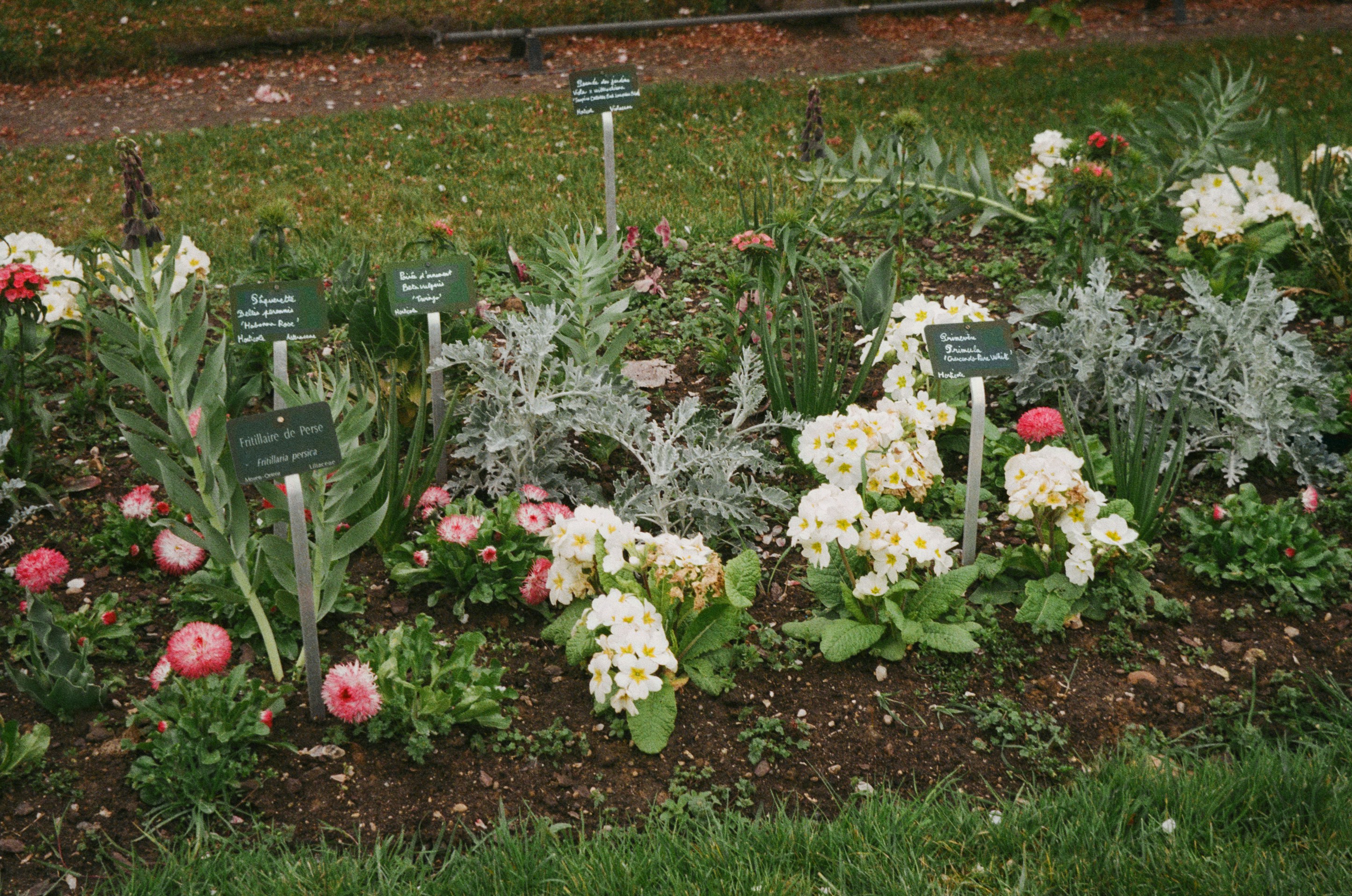
"I could identify a plant by genus but I had no idea how to read a soil test. After the soil biology workshop I amended my beds properly for the first time. My peony yields doubled."
Former high school biology teacher, now grows cut flowers on 2 acres in Vermont
"My grandfather grew everything on this land for 50 years but never wrote anything down. The grafting workshop gave me the language to understand what he built. I saved three heirloom apple varieties I thought were gone."
Inherited 40 acres from his grandfather in rural Georgia, zero farming background
"I knew plants. I did not know business. The winter grant writing session connected me to $8,400 in USDA beginning farmer funding I never knew existed. That covered my first season of infrastructure."
Master Gardener certificate, retired software architect, converting suburban lot to market garden
The next planting window is
already approaching.
Every season we turn away farmers who waited too long. The seat doesn't hold itself. Reserve yours while the calendar is still open.
Questions? Email hello@cultivate.farm — we answer within one business day.